 AUTO
 BIKE
 ATV
 UTV
 SLED
 BOAT
 PWC
 SEMI
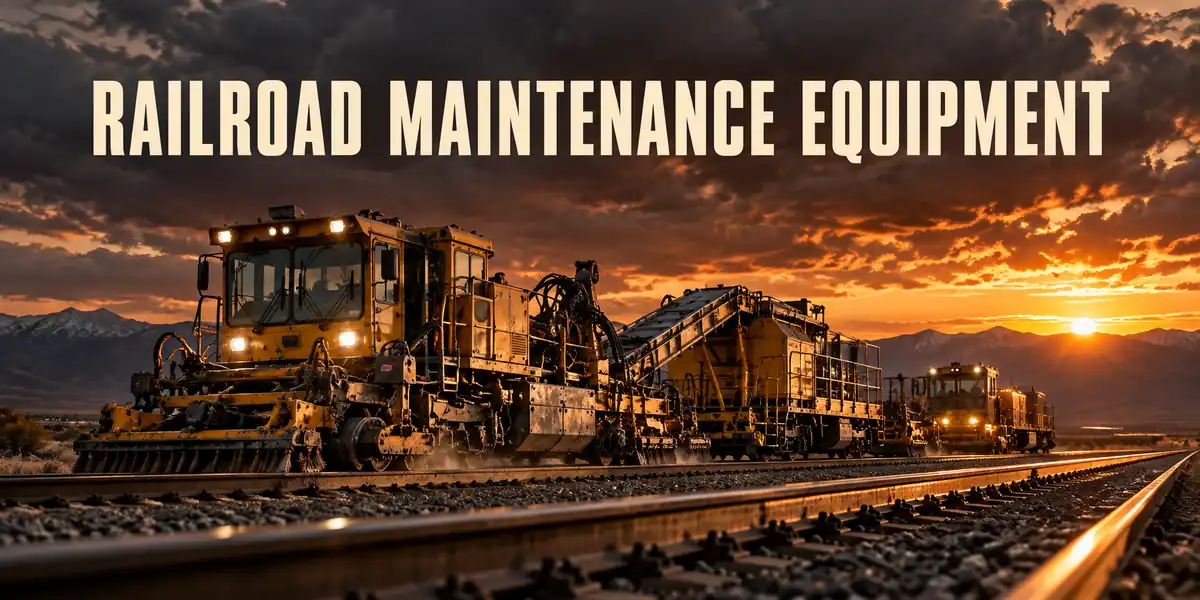
Railroad Maintenance Equipment
Track-maintenance fleets can contain specialized machines, auxiliary engines and road-capable support equipment. Sort the inventory by actual manufacturer and configuration. A machine working on the railway is not automatically a locomotive lubrication application, and the service program must reflect its installed components.
Shop products for this guide ↓AMSOIL Vehicle & Equipment Lookup
Click Your Vehicle Type
Diesel maintenance learning library
Use these lessons to understand a choice before comparing products.
What must be ready for the next task
The first practical question is which manufacturer built each engine and driven component. Write down the manufacturer, model, serial number and installed engine for the relevant assets. Include replacement engines or changed configurations rather than relying on the original purchase description. For this application, the working inventory can include diesel power units, hydraulics, gear drives and auxiliary equipment. Each independently maintained unit needs an identifiable record and an accessible set of instructions.
Keep attachment and auxiliary equipment information alongside the principal machine record. If a unit is rebuilt or reassigned, confirm that the maintenance reference still matches its configuration. Accurate identification is more useful than extending a familiar lubricant practice across the fleet without checking the requirements.
Why one viscosity label is not enough
A common mistake here is assuming all rail-associated machines use locomotive lubricant. Start with the manual’s viscosity, performance specification and any named manufacturer requirement for the particular compartment. Then compare those requirements with the current product information. A viscosity label alone does not establish suitability, and a brand name does not make different fluid families interchangeable. If the documentation is incomplete, resolve the missing requirement before filling.
Build the purchase list around diesel power units, hydraulics, gear drives and auxiliary equipment, with a separate line for every verified fluid application. Record the product name and the requirement it was checked against. Where a catalog lists several possible lubricant categories, treat those categories as places to investigate, not as a complete fitment recommendation.
Different mechanisms need different fluid behavior
Lubrication performs several jobs within diesel power units, hydraulics, gear drives and auxiliary equipment. The oil film separates moving surfaces, while circulating fluid can also carry heat and suspended contamination toward the relevant cooling and filtration systems. Those functions depend on the actual design. The important distinction for railroad maintenance equipment is that a fluid suited to one mechanism does not automatically provide the friction behavior or viscosity another mechanism requires.
For railroad maintenance equipment, a simple compartment map is often more useful than a large mixed collection of containers. Mark each fill point in the maintenance notes and connect it to its own specification. Include the correct level-check procedure and the relevant filter or service item where specified. That prevents an operator from guessing based on the nearest cap or using a product left over from another machine.
Recognize a change worth investigating
Pay attention to fluid labels, leakage and changes noted during authorized inspections. Follow the prescribed method for checking a level, including the required machine position, temperature or shutdown condition when specified. A reading taken under a different condition may not be comparable. Observe from a safe position and leave pressure-system work or other specialist tasks to the appropriate service procedure.
Give each observation an asset name and a date. A note that merely says “oil low” is difficult to act on across diesel power units, hydraulics, gear drives and auxiliary equipment; a record that identifies the compartment and the circumstances is much clearer.
Fluid condition starts with handling
The service process matters as well as the label on the bottle. Keep products identified, containers closed and dispensing equipment appropriate for its assigned fluid. Clean the area around the specified fill point before opening it. Avoid transferring a fluid into an unmarked bottle, particularly when several people care for railroad maintenance equipment equipment. A clearly organized storage area reduces the chance of a preventable mix-up.
Contamination control starts before a container is opened near diesel power units, hydraulics, gear drives and auxiliary equipment. Dirt introduced through a fill point can enter the same circulation path as the lubricant, while water contamination creates a different problem from ordinary fluid ageing. If an observation includes fluid labels, leakage and changes noted during authorized inspections, preserve the details for investigation. A fresh fill cannot prove the source was removed. Establish whether cleaning, repair or further evaluation is needed for the identified component.
Cold starts and the next working period
Think about organizing care for a varied track-maintenance fleet before the equipment is committed to the task. Compare the current meter or service record with every applicable limit in the manufacturer’s schedule. Some schedules use operating hours, some use distance, and calendar limits may also apply. Use whichever applicable limit arrives first as directed by the manual; do not create an extended interval from an online estimate.
Consider the first start before organizing care for a varied track-maintenance fleet. Lubricant becomes more resistant to flow as it cools and less viscous as it warms; the specified viscosity balances circulation with the film needed in service. Choosing a thicker product simply because the coming task sounds demanding can upset that balance. For railroad maintenance equipment, compare the expected starting conditions with the permitted manufacturer choices rather than inventing a seasonal grade.
Use the equipment history to improve the next order
Keep asset hours, configuration and maintenance details. Add the exact lubricant, quantity actually used, filter or part identifiers and the person who performed the work. The quantity purchased is not necessarily the quantity installed, and a quoted system capacity does not replace the correct filling procedure. Link any unresolved observation to a follow-up action so the next operator can see whether it was investigated.
Before ordering again, review what changed in diesel power units, hydraulics, gear drives and auxiliary equipment: a different assignment, a replacement component or a new attachment may require a revised checklist.
Maintenance products to explore for Railroad Maintenance Equipment
Rail engines can have specialized lubricant requirements. No diesel crankcase oil is assigned here without engine-specific technical confirmation. The cards below cover possible support-component and maintenance product types; verify each application.
Start with the job. Confirm the exact application.
Possible application: these are product types to investigate for this vehicle or equipment group. The cards do not confirm compatibility with your individual machine.
Verified fitment: requires a match to your exact year, make, model, engine and installed component in a current application guide or manufacturer documentation. No card on this page is labeled as verified fitment.
Before ordering, identify the component, compare its required lubricant specification and viscosity or exact filter part number, and check capacity and service instructions. For modified equipment, identify the components actually installed.
36 products and 9 filter families to explore. Cards link to product details and available package choices.
Showing all product cards
Compare the product category before choosing a card
Use these guides to compare product families and requirements. Your exact engine or component still controls selection.
No matching products in this guide. Try a broader name or product code.
Replace filters
Filters
Select the exact part number using the equipment details and current application guide.
Possible application — verify requirements
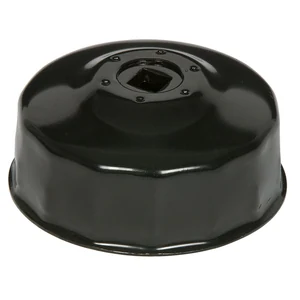
Filter Wrench (76 mm) — GA251
Product Code : GA251-EA
See current product information and available reviews on AMSOIL.com.
SEE PRODUCT PRICE
VIEW DETAILSPossible application — verify requirements
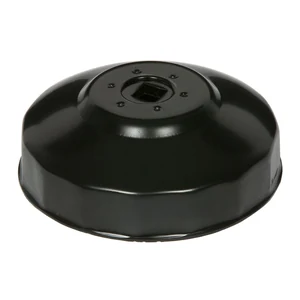
Filter Wrench (93 mm) — GA252
Product Code : GA252-EA
See current product information and available reviews on AMSOIL.com.
SEE PRODUCT PRICE
VIEW DETAILSPossible application — verify requirements
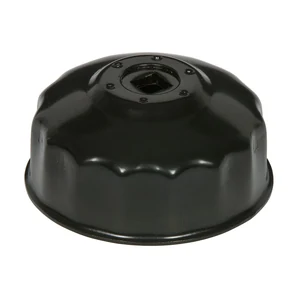
Filter Wrench (74 mm) — GA258
Product Code : GA258-EA
See current product information and available reviews on AMSOIL.com.
SEE PRODUCT PRICE
VIEW DETAILSPossible application — verify requirements
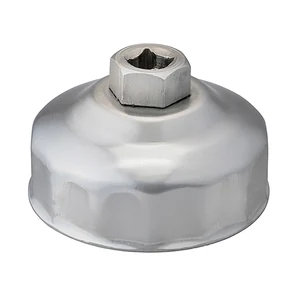
Filter Wrench (64 mm) — GA248
Product Code : GA248-EA
See current product information and available reviews on AMSOIL.com.
SEE PRODUCT PRICE
VIEW DETAILSPossible application — verify requirements
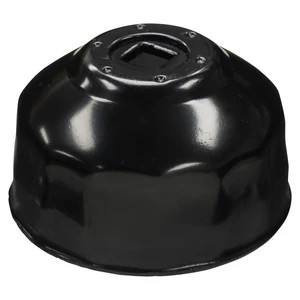
Filter Wrench (65-67 MM) — GA255
Product Code : GA255-EA
See current product information and available reviews on AMSOIL.com.
SEE PRODUCT PRICE
VIEW DETAILSOil, air, fuel and component filter families
Browse the families offered through AMSOIL. A family card is a route to application choices, not confirmation that any particular filter fits. Use the current lookup before ordering.
Possible application — verify requirements
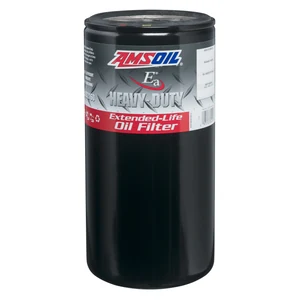
AMSOIL Heavy-Duty Oil Filter
5 part-number choices · Verify application
Product-family example shown. Select the correct part number for your equipment.
SEE PRODUCT OPTIONS
VIEW DETAILSPossible application — verify requirements
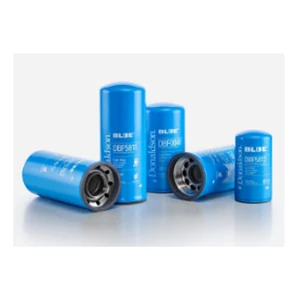
Donaldson Blue Oil Filter
11 part-number choices · Verify application
Product-family example shown. Select the correct part number for your equipment.
SEE PRODUCT OPTIONS
VIEW DETAILSPossible application — verify requirements
Donaldson P-Series Lube Filter
61 part-number choices · Verify application
Product-family example shown. Select the correct part number for your equipment.
SEE PRODUCT OPTIONS
VIEW DETAILSPossible application — verify requirements
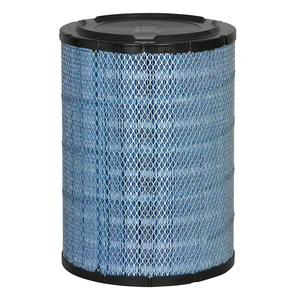
Donaldson Blue Heavy Duty Air Filters
6 part-number choices · Verify application
Product-family example shown. Select the correct part number for your equipment.
SEE PRODUCT OPTIONS
VIEW DETAILSPossible application — verify requirements
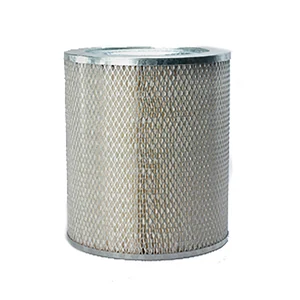
Donaldson P-Series Heavy Duty Air Filters
31 part-number choices · Verify application
Product-family example shown. Select the correct part number for your equipment.
SEE PRODUCT OPTIONS
VIEW DETAILSPossible application — verify requirements
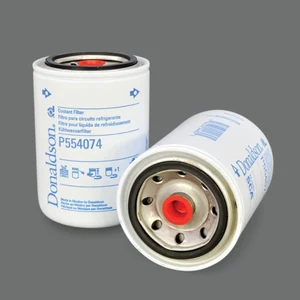
Donaldson P-Series Heavy Duty Coolant Filters
3 part-number choices · Verify application
Product-family example shown. Select the correct part number for your equipment.
SEE PRODUCT OPTIONS
VIEW DETAILSPossible application — verify requirements
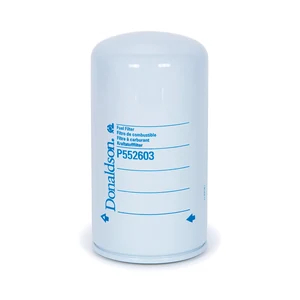
Donaldson P-Series Heavy Duty Fuel Filters
65 part-number choices · Verify application
Product-family example shown. Select the correct part number for your equipment.
SEE PRODUCT OPTIONS
VIEW DETAILSPossible application — verify requirements
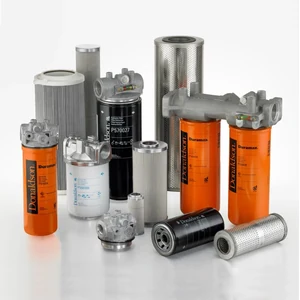
Donaldson P-Series Heavy-Duty Hydraulic Filters
16 part-number choices · Verify application
Product-family example shown. Select the correct part number for your equipment.
SEE PRODUCT OPTIONS
VIEW DETAILSPossible application — verify requirements
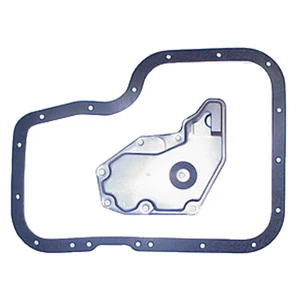
Donaldson P-Series Transmission Filters
1 part-number choices · Verify application
Product-family example shown. Select the correct part number for your equipment.
SEE PRODUCT OPTIONS
VIEW DETAILSService hydraulic systems
Hydraulic Oil
For a hydraulic or tractor transmission system requiring the stated specification. Industrial hydraulic oil and tractor hydraulic/transmission fluid are different product types.
Possible application — verify requirements
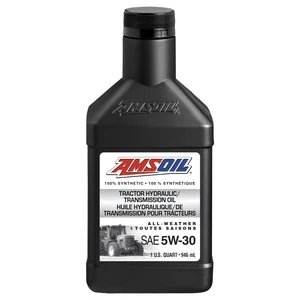
AMSOIL 5W-30 100% Synthetic Tractor Hydraulic/Transmission Oil
Product Code : ATHQT-EA
SEE PRODUCT PRICE
VIEW DETAILSPossible application — verify requirements
AMSOIL ISO 22 100% Synthetic Anti-Wear Hydraulic Oil
Product Code : AWG05-EA
SEE PRODUCT PRICE
VIEW DETAILSPossible application — verify requirements
AMSOIL ISO 32 100% Synthetic Anti-Wear Hydraulic Oil
Product Code : AWH05-EA
SEE PRODUCT PRICE
VIEW DETAILSPossible application — verify requirements
AMSOIL ISO 46 100% Synthetic Anti-Wear Hydraulic Oil
Product Code : AWI05-EA
SEE PRODUCT PRICE
VIEW DETAILSPossible application — verify requirements
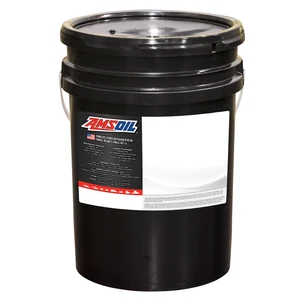
AMSOIL ISO 22 100% Synthetic Multi-Viscosity Hydraulic Oil
Product Code : HVG05-EA
SEE PRODUCT PRICE
VIEW DETAILSPossible application — verify requirements
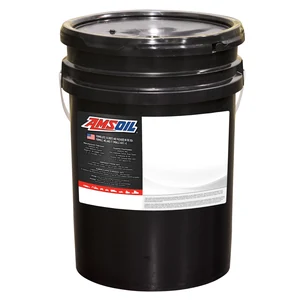
AMSOIL ISO 32 100% Synthetic Multi-Viscosity Hydraulic Oil
Product Code : HVH05-EA
SEE PRODUCT PRICE
VIEW DETAILSPossible application — verify requirements
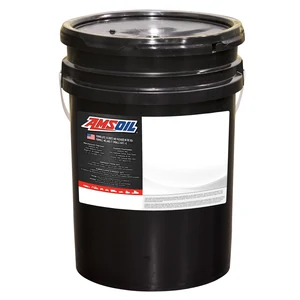
AMSOIL ISO 46 100% Synthetic Multi-Viscosity Hydraulic Oil
Product Code : HVI05-EA
SEE PRODUCT PRICE
VIEW DETAILSPossible application — verify requirements
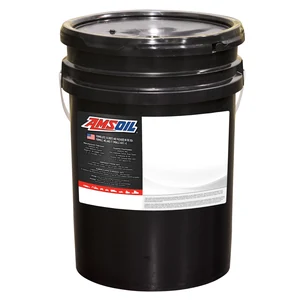
AMSOIL ISO 68 100% Synthetic Multi-Viscosity Hydraulic Oil
Product Code : HVJ05-EA
SEE PRODUCT PRICE
VIEW DETAILSPossible application — verify requirements
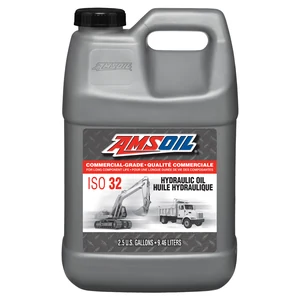
AMSOIL ISO 32 Commercial-Grade Hydraulic Oil
Product Code : HCG32TP-EA
See current product information and available reviews on AMSOIL.com.
SEE PRODUCT PRICE
VIEW DETAILSPossible application — verify requirements
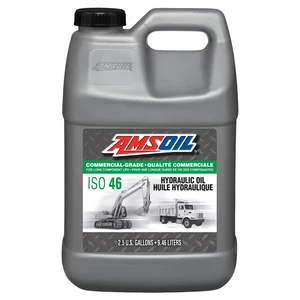
AMSOIL ISO 46 Commercial-Grade Hydraulic Oil
Product Code : HCG46TP-EA
See current product information and available reviews on AMSOIL.com.
SEE PRODUCT PRICE
VIEW DETAILSPossible application — verify requirements
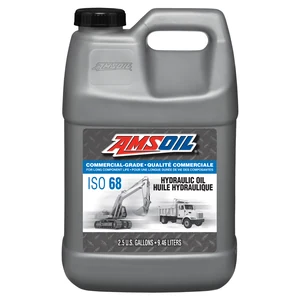
AMSOIL ISO 68 Commercial-Grade Hydraulic Oil
Product Code : HCG68TP-EA
See current product information and available reviews on AMSOIL.com.
SEE PRODUCT PRICE
VIEW DETAILSPossible application — verify requirements
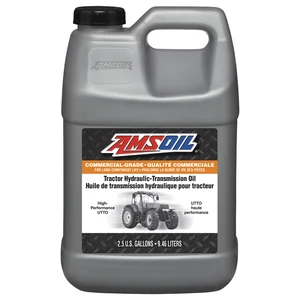
AMSOIL Commercial-Grade Tractor Hydraulic-Transmission Oil
Product Code : TCGSBTP-EA
See current product information and available reviews on AMSOIL.com.
SEE PRODUCT PRICE
VIEW DETAILSPossible application — verify requirements
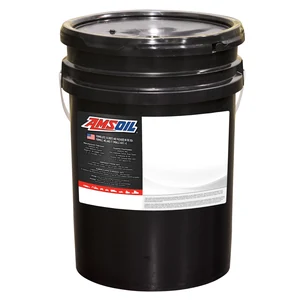
AMSOIL ISO 46 100% Synthetic Biodegradable Hydraulic Oil
Product Code : BHO05-EA
See current product information and available reviews on AMSOIL.com.
SEE PRODUCT PRICE
VIEW DETAILSLubricate grease points
Grease
Choose by the grease point, load, speed, exposure and existing lubricant compatibility. Specialty greases apply only where specified.
Possible application — verify requirements
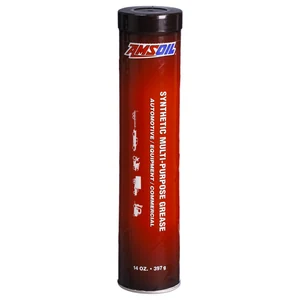
AMSOIL Synthetic Multi-Purpose Grease
Product Code : GLCCR-EA
SEE PRODUCT PRICE
VIEW DETAILSPossible application — verify requirements
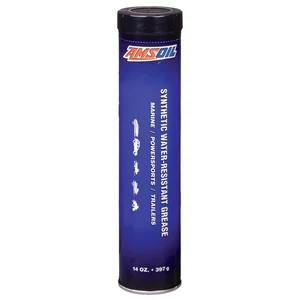
AMSOIL Synthetic Water-Resistant Grease
Product Code : GWRCR-EA
SEE PRODUCT PRICE
VIEW DETAILSPossible application — verify requirements
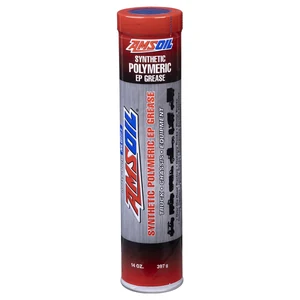
AMSOIL NLGI #1 Synthetic Polymeric Truck, Chassis and Equipment Grease
Product Code : GPTR1CR-EA
SEE PRODUCT PRICE
VIEW DETAILSPossible application — verify requirements
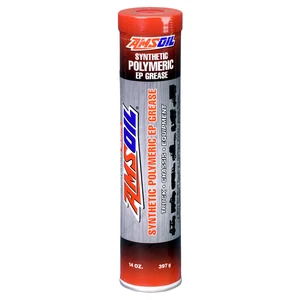
AMSOIL NLGI #2 Synthetic Polymeric Truck, Chassis and Equipment Grease
Product Code : GPTR2CR-EA
SEE PRODUCT PRICE
VIEW DETAILSPossible application — verify requirements
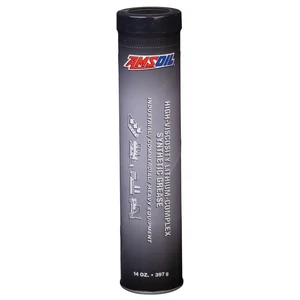
AMSOIL Synthetic High-Viscosity Lithium-Complex Grease
Product Code : GVCCR-EA
SEE PRODUCT PRICE
VIEW DETAILSPossible application — verify requirements
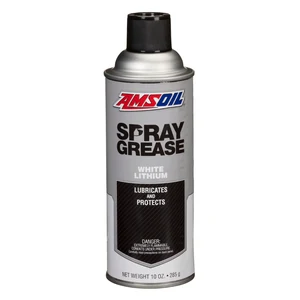
AMSOIL Spray Grease
Product Code : GSPSC-EA
SEE PRODUCT PRICE
VIEW DETAILSService transmissions and axles
Gear Oil
For fitted axles, reduction drives or gearboxes that specify this fluid type. Check viscosity and friction requirements.
Possible application — verify requirements
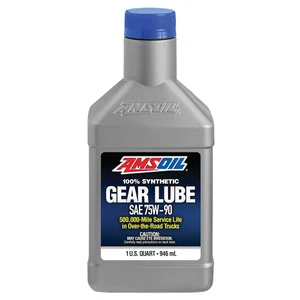
AMSOIL 75W-90 Long Life 100% Synthetic Gear Lube
Product Code : FGRQT-EA
SEE PRODUCT PRICE
VIEW DETAILSPossible application — verify requirements
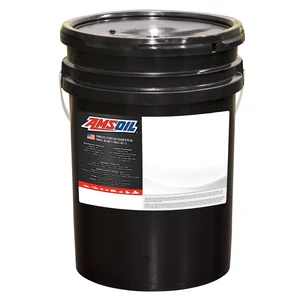
AMSOIL 80W-140 Long Life 100% Synthetic Gear Lube
Product Code : FGO05-EA
SEE PRODUCT PRICE
VIEW DETAILSService the cooling system
Antifreeze/Coolant
Match coolant chemistry and equipment requirements before mixing or filling.
Possible application — verify requirements
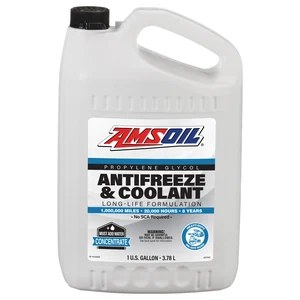
AMSOIL Propylene Glycol Antifreeze and Engine Coolant
Product Code : ANT1G-EA
SEE PRODUCT PRICE
VIEW DETAILSPossible application — verify requirements
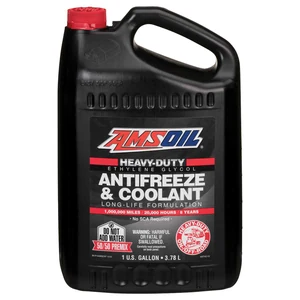
AMSOIL Heavy-Duty Antifreeze & Coolant
Product Code : ANTHD1G-EA
SEE PRODUCT PRICE
VIEW DETAILSClean and protect
Cleaners & Protectants
Maintenance and protection products for label-approved components and surfaces.
Possible application — verify requirements
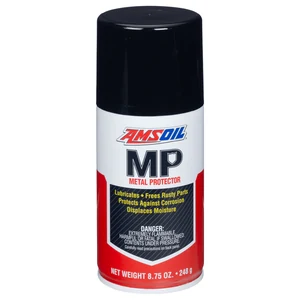
AMSOIL MP Metal Protector
Product Code : AMP4SC-EA
SEE PRODUCT PRICE
VIEW DETAILSPossible application — verify requirements
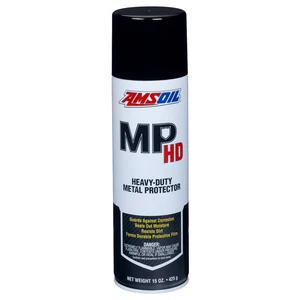
AMSOIL Heavy-Duty Metal Protector
Product Code : AMHSC-EA
SEE PRODUCT PRICE
VIEW DETAILSPossible application — verify requirements
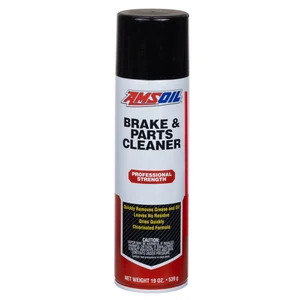
AMSOIL Brake and Parts Cleaner
Product Code : BPCSC-EA
SEE PRODUCT PRICE
VIEW DETAILSPossible application — verify requirements
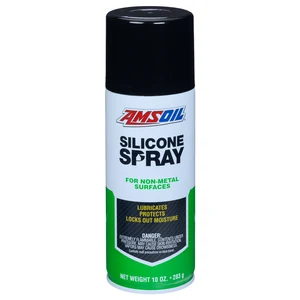
AMSOIL Silicone Spray
Product Code : ALSSP-EA
SEE PRODUCT PRICE
VIEW DETAILSPossible application — verify requirements
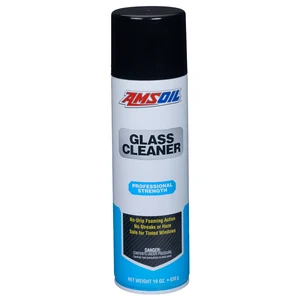
AMSOIL Glass Cleaner
Product Code : AGCSC-EA
SEE PRODUCT PRICE
VIEW DETAILSPossible application — verify requirements
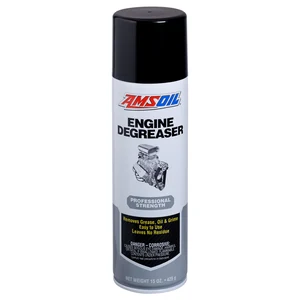
AMSOIL Engine Degreaser
Product Code : AEDSC-EA
SEE PRODUCT PRICE
VIEW DETAILSPossible application — verify requirements
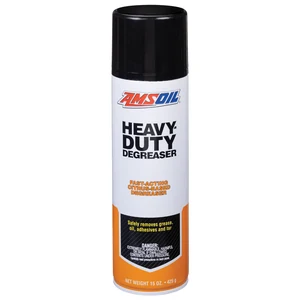
AMSOIL Heavy-Duty Degreaser
Product Code : ADGSC-EA
SEE PRODUCT PRICE
VIEW DETAILSPossible application — verify requirements
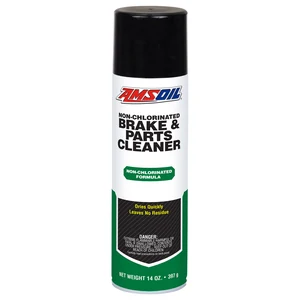
AMSOIL Non-Chlorinated Brake and Parts Cleaner
Product Code : NCBCSC-EA
See current product information and available reviews on AMSOIL.com.
SEE PRODUCT PRICE
VIEW DETAILSQuestions to take into your next service
Can one lubricant cover all railroad maintenance equipment equipment?
Only where each separate application explicitly accepts that product. Identify the requirements for diesel power units, hydraulics, gear drives and auxiliary equipment individually; similar appearance or a shared job does not establish compatibility.
Can the service planner choose an oil-change interval?
The planner can estimate when a documented service becomes due for diesel power units, hydraulics, gear drives and auxiliary equipment; it cannot choose that service interval. Enter the requirement from the applicable manual or approved program and update anticipated use when the plan for organizing care for a varied track-maintenance fleet changes.
What information should I have before requesting a recommendation?
Bring the exact asset and engine identifiers, the compartment being serviced, the manual requirement and the current product if known. For this application, also explain which manufacturer built each engine and driven component. Those details make a recommendation verifiable.
A purchasing route that fits your use
Choose products for the equipment first, then compare purchasing options. If you maintain personal vehicles, explore Preferred Customer membership. If your company consumes products in its own equipment, review Commercial Account eligibility. Stores, installers and independent sales businesses have separate programs.
Explore AMSOIL Commercial Account →Compare all five accounts →For help, tell Kyle Holdridge the equipment, component, required specification and how it is used. That gives the conversation a clear starting point.
Ask Kyle ↗Keep exploring Pumps & Industrial Equipment

Aquaculture Operations
Read the guide →
Diesel Driven Irrigation Pumps
Read the guide →
Diesel Fire Pump Engines
Read the guide →Learn from the original sources
Source list compiled October 21, 2026. This date does not represent a new technical review of every claim. Planning examples explain a method; actual product requirements and service limits come from the exact equipment documentation.