 AUTO
 BIKE
 ATV
 UTV
 SLED
 BOAT
 PWC
 SEMI
MONTANA · DIESEL OIL WORKS
AMSOIL for Montana Ranch Trucks and Mountain Miles
Explore AMSOIL choices for Montana ranch trucks, long-distance towing and equipment, with mountain-weather maintenance advice and Dealer options.
By Kyle Holdridge · Independent AMSOIL Dealer #225946
Reviewed October 25, 2026
AMSOIL Vehicle & Equipment Lookup
Click Your Vehicle Type
AMSOIL for Montana Ranch Trucks and Mountain Miles: prepare before the long drive
AMSOIL for Montana Ranch Trucks and Mountain Miles starts with a practical idea: maintenance is easier before a remote trip than during one. A ranch pickup, equipment hauler or recreational tow vehicle may cover long distances between supplies and service. Record the required fluids, inspect the vehicle and carry appropriate emergency equipment before setting out. Distance makes preparation valuable; it does not create a special statewide oil specification.
Use the products below as possibilities to compare with the exact engine and drivetrain requirements. Confirm fitment using the manual and official lookup, including emissions-system restrictions on newer diesels. Diesel Oil Works is an online resource operated by Kyle Holdridge, an independent AMSOIL Dealer in Minneapolis. It does not claim a Montana warehouse, local shop or guaranteed delivery time.
The plains-to-pass route changes the workload
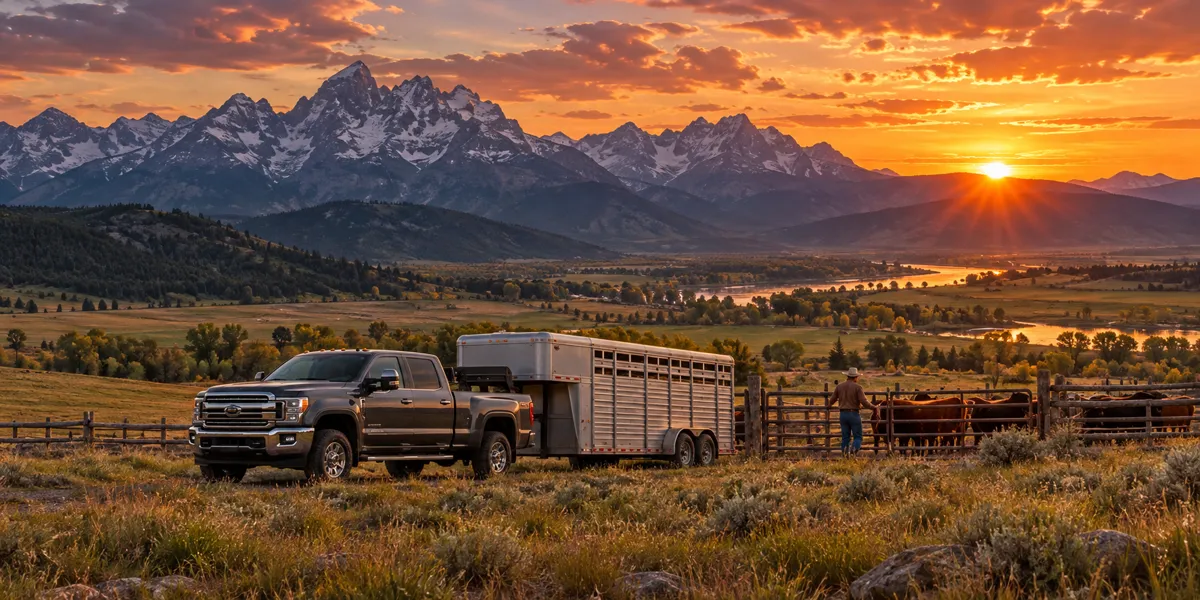
Eastern and central Montana contain extensive plains, while the west includes mountain ranges, valleys and high passes. A truck can encounter open-road wind, long climbs and gravel ranch access during one journey. When towing, vehicle ratings, trailer brakes and load distribution are as important as fluids. A long descent also demands the driving and braking practices specified for the vehicle. Inspect intake connections after dusty routes and check for damage underneath after rough access roads. Geography tells you what to inspect more closely, but the engine, transmission and axle still require their own documented lubricant standards.
Sources: NOAA Montana geographic and climate context ·
AMSOIL distribution options for Montana
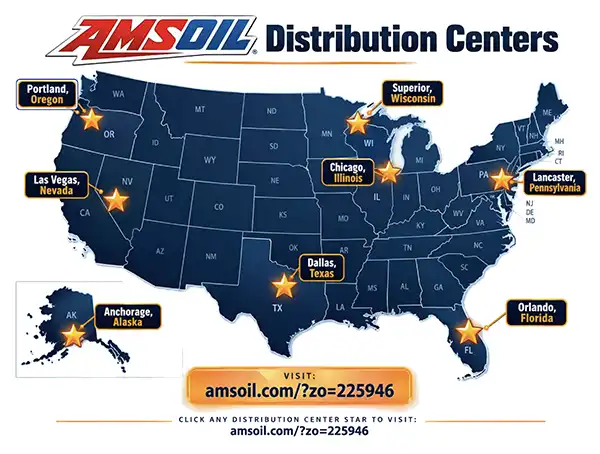
For Montana customers, Portland, Oregon and Superior, Wisconsin are useful locations to review in the corporate network. Your delivery address, inventory and order routing determine fulfillment; proximity does not promise a particular shipping origin or transit time. Check the official locator for current hours and collection arrangements.
Select a state label, star or location link to open the official AMSOIL distribution center directory. The larger links below the map offer the same destination for phone and keyboard users.
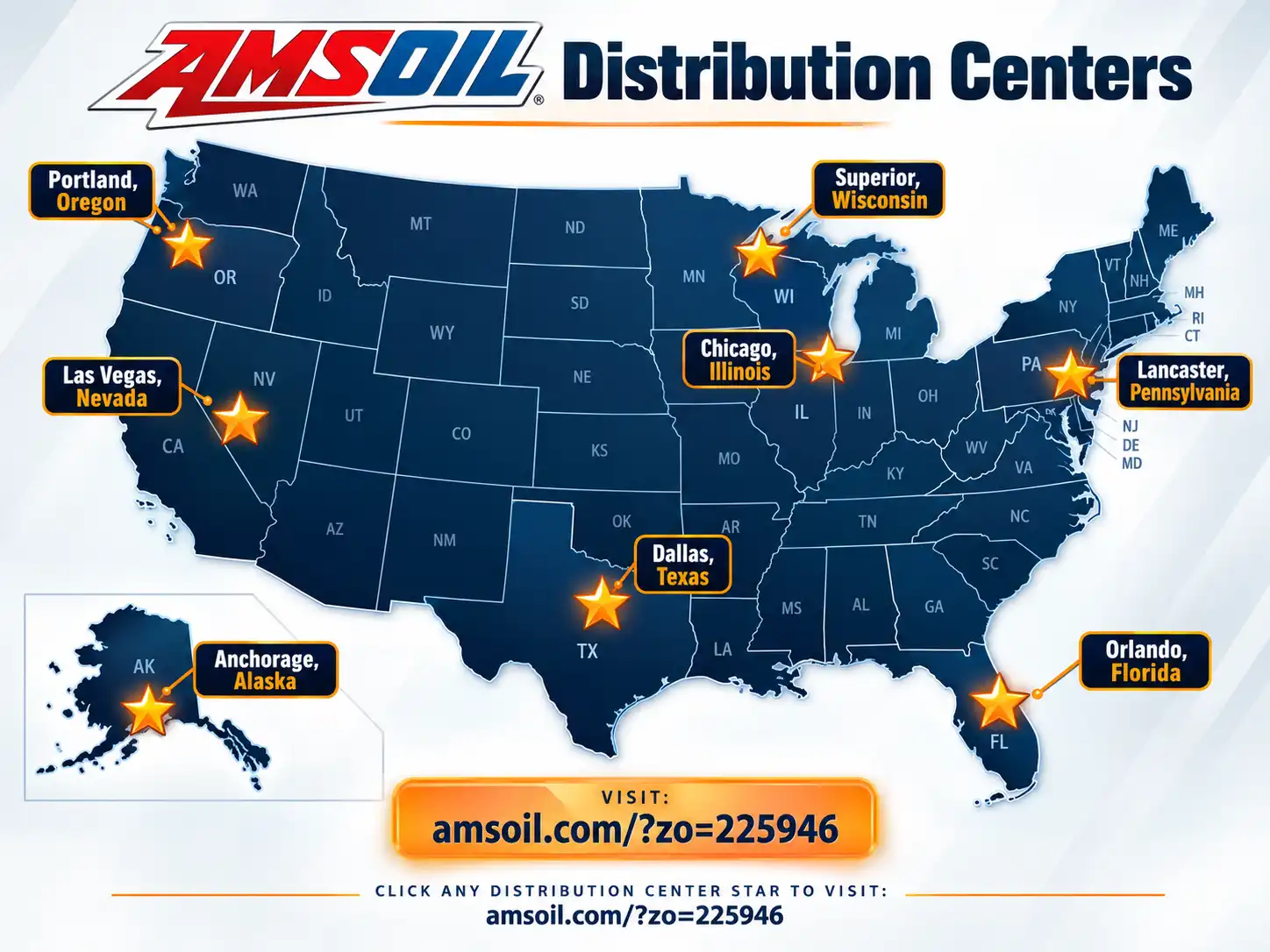
Full directory: 8 United States + 2 Canadian locations
Anchorage, Alaska
1930 Spar Ave, Anchorage, AK 99501
907-771-3353
Chicago, Illinois
1155 W Devon Ave, Ste 400, Itasca, IL 60143
877-822-5171
Dallas, Texas
4851 S Collins St, Ste 125, Arlington, TX 76018
877-822-4295
Lancaster, Pennsylvania
425 Ben Franklin Blvd, Ste 101, Lancaster, PA 17601
877-822-4294
Las Vegas, Nevada
6150 E Tropical Pkwy, Ste 120 N, Las Vegas, NV 89115
877-822-4206
Orlando, Florida
7215 S John Young Pkwy, Ste 249, Orlando, FL 32809
877-830-4766
Portland, Oregon
7319 SW Kable Ln, Building G, Ste 700, Portland, OR 97224
877-830-4768
Superior, Wisconsin
1101 Susquehanna Ave, Superior, WI 54880
715-395-0437
Toronto, Ontario
350 Traders Blvd E, Mississauga, ON L4Z 1W7
877-822-5172
Edmonton, Alberta
14328-121A Ave, Edmonton, AB T5L 2T2
877-830-4769
Monday–Friday, 8:00 a.m.–4:30 p.m. local time; Anchorage closes at 5:00 p.m. Listed as closed Saturday and Sunday. Confirm holiday hours before visiting.
Sources: AMSOIL Distribution Center Locator ·
Explore nearby states from Montana
Use the highlighted state markers on the large map above or the state links below to explore regional guides. Orange marks the current state; blue markers open the other state pages.
A ranch service list should include the truck behind the tractor
Ranch machinery receives understandable attention during working seasons, but the support pickup often handles the overlooked tasks: feeding runs, short trips, trailer maneuvering and long periods of low-speed operation. Record those patterns alongside mileage. If the manufacturer includes engine hours or severe-service conditions in its schedule, use them. An odometer that moves slowly does not necessarily describe an engine doing little work.
For a compatible diesel engine, investigate AMSOIL Max-Duty against the required specification and grade. Separate that choice from transmission, hydraulic and axle fluids. On a mixed-age fleet, a newer engine’s aftertreatment requirements can make a product unsuitable even if it worked in an older truck. Keep a clean, labeled supply system and verify the correct filter before a scheduled change. Remote work rewards a checklist that can be followed by more than one operator.
Potential product applications: these examples are not verified fitment. Match the exact engine or component specification before purchasing.
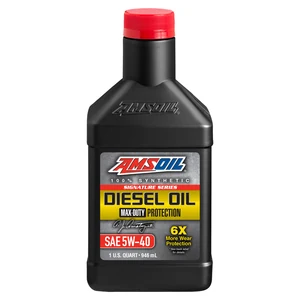
AMSOIL Signature Series 5W-40 100% Synthetic Max-Duty Diesel Oil
Product Code : DEOQT-EA
SEE PRODUCT PRICE
VIEW DETAILSCold valleys, warm plains and changing mountain weather
Montana has substantial climatic variation across elevation and geography. The plains experience cold winters and warm summers, while mountain areas can have snowy winters and cooler conditions. Plan for the starting temperature at the vehicle’s overnight location, not just the forecast for the destination. Use the manufacturer’s permitted viscosity and starting guidance, and check battery condition before relying on a cold-weather trip. Summer dust and heat still deserve attention. An oil with suitable cold-flow properties does not repair an intake leak or cooling-system fault. Seasonal readiness should combine the correct lubricant with inspection of the systems that allow it to work properly.
Sources: NOAA Montana climate summary ·
Yellowstone Drag Strip and the difference between racing and hauling
Yellowstone Drag Strip in Acton provides a Montana motorsport destination with official class and event information. Consult the track’s current material before planning a visit, entering a car or arranging a trailer trip. Competition creates useful conversations about lubrication, but class rules and engine-builder requirements must remain the starting point for a race engine.
A tow vehicle has a different job from the car on the strip. Its lubricant must satisfy road-engine specifications through the trip there and home, including any emissions-system requirements. Keep the maintenance records separate. If a motorcycle or small engine is part of the weekend, identify its own lubricant needs rather than sharing whatever is in the truck’s toolbox. Bring clearly labeled containers and avoid mixing similar-looking products when working around a busy pit or campground.
Sources: Yellowstone Drag Strip official site · Yellowstone Drag Strip class guidelines ·
Before a loaded trip, inspect more than the dipstick
A towing inspection should include the axle, transmission and cooling system as well as the engine. Check the vehicle manual for the correct inspection procedure and service schedule. Some components must be checked at a defined temperature or operating condition, so a casual glance is not always a reliable level measurement. Look for leaks and listen for developing noises before the trip puts distance between you and a repair facility.
AMSOIL Severe Gear is a family to compare for suitable axles, with the correct viscosity and differential requirements confirmed first. It is not an all-purpose fill for every gearbox. For diesel fuel additives, distinguish routine product use from diagnosis. Follow dosage directions for a compatible fuel system and investigate recurring poor performance. A maintenance additive cannot guarantee that unfamiliar fuel, a restricted filter or a mechanical defect will never cause trouble.
Potential product applications: these examples are not verified fitment. Match the exact engine or component specification before purchasing.
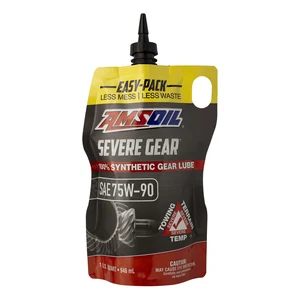
AMSOIL SEVERE GEAR 75W-90 100% Synthetic Gear Lube
Product Code : SVGPK-EA
SEE PRODUCT PRICE
VIEW DETAILS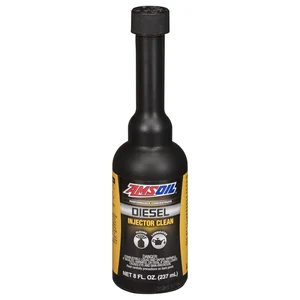
AMSOIL Diesel Injector Clean Fuel Additive
Product Code : ADFPCN-EA
SEE PRODUCT PRICE
VIEW DETAILSEvaluate protection with a record you can trust
For Montana owners, the useful promise of a lubricant program is not that it makes a vehicle invulnerable. It is that the product is correctly matched, installed cleanly and monitored through its service life. AMSOIL publishes application information that can help compare synthetic diesel oils, gear lubricants and other categories. Read the complete requirements rather than relying on an appealing product name or a friend’s experience with a different engine.
Long-distance operation can make service planning especially valuable. Keep the last change date, mileage, hour reading and quantity in one place. Before a busy period, estimate when the next known limit will arrive. The calculator on this page helps with that arithmetic, but its input must come from your own maintenance plan. Calendar limits, severe-service instructions and component-specific requirements still apply.
If you are investigating longer drains or unusual wear in working equipment, a consistent oil-analysis program can provide more useful evidence than visual inspection alone. Sampling technique and operating context affect interpretation. Do not use a single result to make broad claims about every truck in a ranch fleet. A suitable synthetic lubricant works alongside sound filtration, proper coolant, correct loading and timely repairs. That combination is more dependable than expecting one fluid to solve every remote-work concern.
Sources: AMSOIL diesel product information ·
Plan your next engine-hour service
Engine-hours planning calculator
Estimate when a service point you already know will arrive. This calculator does not recommend an oil-change interval.
Weeks remaining = (service-due hours − current hours) ÷ weekly hours. Calendar limits and other maintenance triggers still apply.
Becoming a Montana Dealer with a defined customer group
A Montana AMSOIL Dealer business may fit someone who understands ranch vehicles, equipment transport or local contracting work. Geography makes clear ordering information and realistic expectations important. Customers need to know what product is suitable, how much is required and where to find official application guidance. Avoid promising immediate local availability or a delivery date you cannot verify.
Read the current Dealer agreement, costs and responsibilities before registering. Consider how you will provide support across the area you hope to serve and how much time you can commit to learning product applications. Enrollment does not guarantee income, customers or an exclusive Montana territory. A remote customer may value reliable follow-up more than a large inventory, so plan the business around actual needs rather than assumptions about what will sell.
Start with a manageable specialty and accurate records. You might help a ranch separate its pickup, tractor and small-engine maintenance lists, or help a contractor document its truck and equipment requirements. Remain clear about being an independent Dealer and refer technical uncertainties to official sources. Kyle Holdridge can explain the available account paths through this site. If you simply want to purchase for your own vehicles, examine Preferred Customer membership before choosing a business account. Use the official registration link when you are ready to review the enrollment process.
Sources: AMSOIL Dealer registration ·