
 AUTO
 BIKE
 ATV
 UTV
 SLED
 BOAT
 PWC
 SEMI

Diesel Fuel Additives
Diesel fuel additives do different jobs, so start with the problem you are trying to address. Routine injector cleaning, cetane improvement, cold-weather preparation and emergency recovery are distinct tasks. This page groups the six diesel treatments in our catalog by purpose and places guidance beside the relevant product cards. Open a local product page for more information, then follow the current label and equipment guidance before treating fuel. These products are intended for diesel fuel systems according to their instructions. They are not engine oils, diesel exhaust fluid or a substitute for correcting a mechanical fault.
AMSOIL Vehicle & Equipment Lookup
Click Your Vehicle Type
Match diesel treatments to the maintenance task
Choose the intended treatment before choosing a bottle. Use the current label for concentration, fuel volume and timing. Avoid combining products without checking their directions, especially where their functions overlap. Fuel additives do not establish engine-oil compatibility.
| Task | Product details | Before use |
|---|---|---|
| Injector deposits | Injector Clean | Check label dose and timing; use in diesel fuel, never DEF. |
| Injector cleaning plus cetane | Injector Clean + Cetane Boost | Check label dose and timing; use in diesel fuel, never DEF. |
| Cetane-focused treatment | Cetane Boost | Check label dose and timing; use in diesel fuel, never DEF. |
| Combined fuel care | Diesel 4-IN-1 | Check label dose and timing; use in diesel fuel, never DEF. |
| Cold-weather preparation | Cold Flow | Check label dose and timing; use in diesel fuel, never DEF. |
| Emergency gelled-fuel recovery | Diesel Recovery | Check label dose and timing; use in diesel fuel, never DEF. |
Application status: these comparisons identify possible product choices. They do not confirm fitment for a vehicle, engine or component.
Injector cleaning and routine fuel-system care
Diesel Injector Clean and Diesel Injector Clean + Cetane Boost offer two routes through this part of the catalog. The second product combines purposes in one formulation; it should not be treated as a reason to add several overlapping products automatically. Compare the current label for intended use, treatment rate and application instructions. A larger bottle may be more convenient for a large tank, but package size does not change the amount appropriate for a given fuel volume.
Running symptoms deserve diagnosis before they become an additive shopping exercise. Rough operation, difficult starting or a warning light can have several causes. Record what changed and when it began, including recent fuel purchases and maintenance. A cleaning treatment may have a place in a maintenance program, but it cannot establish the cause of a symptom or repair failed hardware. Keep fuel-filter service and any water-separator maintenance on the equipment's normal schedule.
Possible application — verify requirements
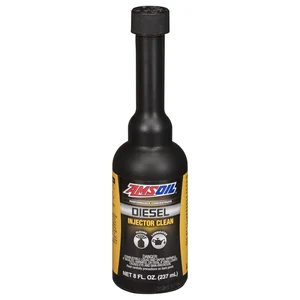
AMSOIL Diesel Injector Clean Fuel Additive
Product Code : ADFPCN-EA
SEE PRODUCT PRICE
VIEW DETAILSPossible application — verify requirements
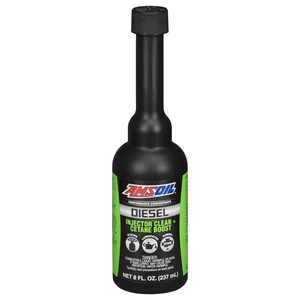
AMSOIL Diesel Injector Clean + Cetane Boost Fuel Additive
Product Code : ADSPCN-EA
SEE PRODUCT PRICE
VIEW DETAILSCetane Boost: a specific combustion-related purpose
Cetane describes diesel ignition quality and should not be confused with gasoline octane. A diesel cetane treatment therefore belongs in a different selection process from an octane booster for a gasoline engine. Use Diesel Cetane Boost only according to its diesel-fuel instructions. Avoid interpreting a headline improvement as a guarantee of a particular fuel-economy gain or power increase in your vehicle; results depend on the starting fuel and operating circumstances.
Before choosing a separate cetane treatment, check whether another product you intend to use already includes that function. Combination products can make a routine easier to manage, but the label still determines the correct dose. Keep the amount of fuel being treated visible in the calculation. If a vehicle has several tanks, record where the product was added. This helps prevent repeat dosing and keeps the maintenance history clear when more than one driver handles refueling.
Possible application — verify requirements
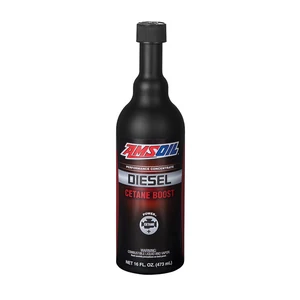
AMSOIL Diesel Cetane Boost Fuel Additive
Product Code : ACBCN-EA
SEE PRODUCT PRICE
VIEW DETAILSDiesel 4-IN-1: compare the combination approach
Diesel 4-IN-1 combines several treatment purposes in one product, including cleaning, lubricity, cetane improvement and cold-flow protection as described by AMSOIL. It can be useful to compare when an owner wants one labeled treatment rather than choosing separate products for those purposes. Read the current instructions for seasonal and application details. A combination name does not mean it treats every possible fuel problem or eliminates the need to know the fuel condition.
Think through your actual operating pattern. A daily-use truck, a seasonal machine and equipment crossing climate zones have different planning needs. Check the expected weather before the fuel is exposed to it and keep the equipment's own recommendations in the decision. Do not use a product's convenience as a reason to ignore filter condition, contamination or maintenance. The aim is a clear, repeatable routine with the right product for the intended purpose, not the greatest number of additives in the tank.
Possible application — verify requirements
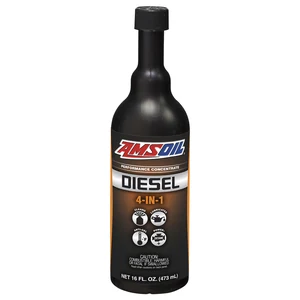
AMSOIL Diesel 4-IN-1 Fuel Additive
Product Code : ADBPCN-EA
SEE PRODUCT PRICE
VIEW DETAILSCold Flow: prepare before a cold-weather problem
Diesel Cold Flow is the preventive cold-weather product in this group. Use it according to the label before fuel reaches conditions that cause trouble. Prevention and recovery are different tasks: a product intended to improve cold flow is not automatically the correct treatment for fuel that has already gelled or a filter that is already obstructed. Read the product's temperature and mixing instructions carefully and plan treatment while the fuel can be properly mixed.
Weather forecasts are only part of the picture. Fuel formulation, storage conditions and the equipment's exposure also matter. Do not assume a single outdoor temperature predicts the same response from every batch of diesel. Keep winter fuel sourcing and filter maintenance in the plan. If a machine loses power or stops in cold conditions, follow the engine guidance and diagnose the cause rather than repeatedly cranking it while adding more preventive treatment.
Possible application — verify requirements
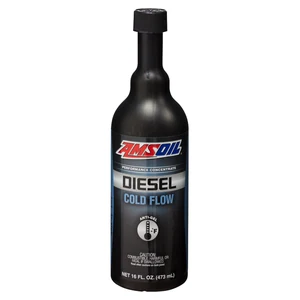
AMSOIL Diesel Cold Flow Fuel Additive
Product Code : ADDCN-EA
SEE PRODUCT PRICE
VIEW DETAILSDiesel Recovery: the emergency category
Diesel Recovery has a different role from the preventive cold-flow products. AMSOIL identifies it for emergency treatment of gelled fuel and frozen fuel filters. Follow its specific directions rather than borrowing the dose or procedure from another bottle. The product is not a reason to skip diagnosis when the cause of a shutdown is uncertain, and it should not be described as a universal repair for any engine that will not start.
Prepare for the possibility of cold-weather trouble before equipment is stranded. Keep the correct instructions available and make sure operators know where to find them. Distinguish an emergency-treatment container from a routine additive in storage, particularly when labels are difficult to read in poor light. After the immediate issue is addressed, review fuel sourcing, preventive treatment and the maintenance conditions that may have contributed. Recovery is one step in restoring operation, not the complete long-term plan.
Possible application — verify requirements
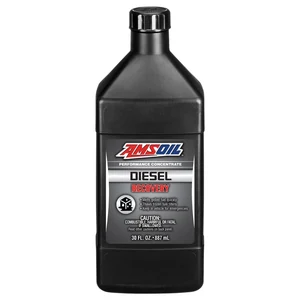
AMSOIL Diesel Recovery Fuel Treatment
Product Code : DRCQT-EA
SEE PRODUCT PRICE
VIEW DETAILSDose carefully and keep the fluids separate
Use the label's treat rate with the actual fuel quantity and keep measurement units consistent. More treatment is not automatically better. Check compatibility and combination instructions instead of stacking products based on separate claims. Store containers as directed with their labels intact, and keep diesel additives clearly separated from gasoline treatments and other automotive fluids.
Record the treatment, amount, fuel volume and date if you are managing equipment with several operators. That record is especially useful when the next driver refuels before the tank is empty. Our cards link to the local product details, while the official instructions provide the final application guidance. For help choosing which category to investigate, contact Kyle with the purpose, equipment and expected conditions. That is more useful than asking for an additive to solve an unidentified engine problem.
Keep exploring diesel products
Choose products first. Then compare account options.
Explore AMSOIL Preferred Customer membership for personal purchases or the Commercial Account guide for qualifying business use. Compare all account types before deciding.
Technical sources & application information
Educational guidance prepared for Diesel Oil Works. Original source list compiled October 23, 2026; the separately labeled comparison check covers the newer product-family comparison. Product-card rating check dates appear on each card. Confirm current applications and instructions in the official sources.