
 AUTO
 BIKE
 ATV
 UTV
 SLED
 BOAT
 PWC
 SEMI
Diesel & Marine Oils
A diesel-powered boat can contain several engines and several separate lubrication systems. The main propulsion engine, generator, transmission and reduction gear should each be identified before a lubricant is selected. This page centers on AMSOIL 15W-40 Heavy-Duty Diesel and Marine Oil, then separates supporting product categories so you can browse without confusing one compartment with another. Its name does not mean universal marine compatibility. AMSOIL positions this engine oil for API CI-4+ and prior applications, including appropriate older diesels. Check the installed engine and current manufacturer guidance before using it in a boat, vehicle or stationary machine.
AMSOIL Vehicle & Equipment Lookup
Click Your Vehicle Type
Keep marine maintenance compartments separate
Make a separate entry for the propulsion engine, auxiliary generator, transmission and reduction gear. Select a lubricant for each compartment. A marine label does not turn engine oil into gear oil or establish compatibility with every diesel boat.
| Service location | Category to investigate | Required check |
|---|---|---|
| Diesel engine: AME 15W-40 | Engine oil | API CI-4+ and prior application requirements; exact engine and service guidance |
| Gearbox or reduction drive | Gear or transmission lubricant | Gearbox maker, model, fluid specification and capacity |
| Exposed grease points | Water-resistant grease | Grease-point specification and compatibility with existing grease |
| Fuel system | Diesel treatment | Label purpose, dose and fuel compatibility |
Read the exact oil specification before comparing claims. The oil-family overview and European specification guide provide different starting points; neither verifies a vehicle automatically.
Application status: these comparisons identify possible product choices. They do not confirm fitment for a vehicle, engine or component.
15W-40 Heavy-Duty Diesel and Marine engine oil
The engine-oil card below opens our local page for the 15W-40 Heavy-Duty Diesel and Marine product. Review its application information against the engine manual and confirm that 15W-40 is permitted. AMSOIL's published guidance distinguishes this product from oils intended for newer diesel particulate filter applications. Do not substitute it merely because your existing oil has the same SAE grade. Modern exhaust aftertreatment requirements must remain part of the selection.
Identify the engine directly when records are incomplete. A boat's model year may not describe a replacement propulsion engine or a later generator installation. Collect the manufacturer, model, serial information and service manual before choosing oil. The same principle applies to older trucks with engine swaps. A product name and a vessel's age can narrow a search, but neither establishes compatibility. If the required specification is unusual, resolve it before ordering rather than assuming any marine-labeled product qualifies.
Possible application — verify requirements
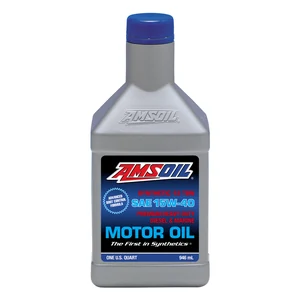
AMSOIL 15W-40 Heavy-Duty Diesel and Marine Oil
Product Code : AMEQT-EA
SEE PRODUCT PRICE
VIEW DETAILSOperating hours, seasonal use and service records
Marine use often involves hours rather than road mileage, along with periods of infrequent operation. Record each engine separately. A generator can accumulate a different service history from the propulsion engine even when both are installed in the same vessel. Include the date, engine hours, product name, filter and quantity used on each maintenance entry. Keep the manufacturer's time-based requirements visible as well as the hour limit.
Before a service, plan access to drain points, filters and the approved level-check procedure. Know the required capacity, but finish the refill according to the engine instructions rather than treating a container count as a measurement. If the engine has a remote filter or another approved installation change, consult the relevant documentation. Those details can affect the maintenance process and should be known before the work starts, especially in a confined engine compartment.
Marine gear lubricants belong to a separate system
A marine gear lubricant is not automatically a marine engine oil. The gear-oil products shown here provide a route to their own application information, including gearcases or drives that specify an appropriate lubricant. They are not recommendations for every marine transmission. Some transmissions specify a particular transmission fluid, while other gear assemblies have their own viscosity and performance requirements. Read the component manufacturer's instructions for the installed unit.
Keep containers and service tools clearly identified while moving between systems. An engine oil change and a drive service may take place during the same maintenance visit, but the fill locations and required products remain different. Do not infer fluid type from the shape of a filler cap or what was found in an unmarked container. When purchasing a boat, request the service records and confirm that their product names match the component requirements before continuing the previous owner's routine.
Possible application — verify requirements
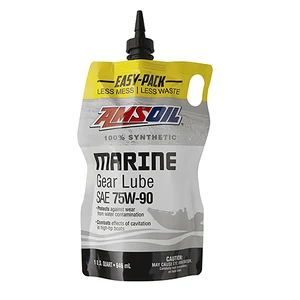
AMSOIL 75W-90 100% Synthetic Marine Gear Lube
Product Code : AGMTB-EA
SEE PRODUCT PRICE
VIEW DETAILSGrease and exposed maintenance points
Marine grease products serve grease points and assemblies that call for the specified type of grease. They do not replace the oil in an engine or sealed gearbox. Use the equipment instructions to identify serviceable points and any restrictions on product choice. Check compatibility with the grease already present before changing formulations. A product described for wet environments is still subject to the component's requirements and application method.
A useful vessel checklist groups tasks by component instead of by bottle. For example, write down the assembly being serviced, its approved lubricant, the procedure and the interval. That makes it easier to distinguish a genuine lubrication point from an area that simply looks accessible. Where the manufacturer calls for inspection rather than greasing, follow that instruction. More lubricant is not automatically better, and a clean exterior does not reveal the internal condition of an assembly.
Possible application — verify requirements
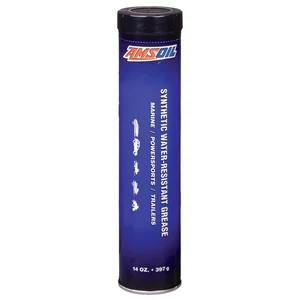
AMSOIL Synthetic Water-Resistant Grease
Product Code : GWRCR-EA
SEE PRODUCT PRICE
VIEW DETAILSDiesel fuel treatments: use a purpose-specific approach
A diesel fuel treatment has a different job from crankcase oil or marine grease. The treatment cards here cover diesel products with different purposes, such as injector cleaning, cetane improvement, cold-weather preparation and emergency recovery. Choose according to the label and the fuel-system guidance for the engine. Do not assume the entire set belongs in a single tank at once. Follow the stated treat rate and any instructions about combining products.
Fuel condition also deserves inspection and maintenance. A treatment should not be used as a substitute for diagnosing contamination, servicing filters or correcting a mechanical fault. Keep a record of the product and fuel quantity treated. If a vessel has multiple tanks or engines, make the record specific enough to show which system received the product. That helps avoid accidental repeat dosing and gives a technician better information if a running issue later needs attention.
Possible application — verify requirements
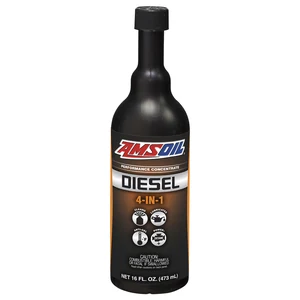
AMSOIL Diesel 4-IN-1 Fuel Additive
Product Code : ADBPCN-EA
SEE PRODUCT PRICE
VIEW DETAILSPossible application — verify requirements
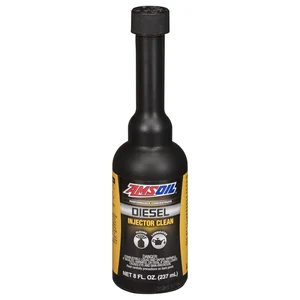
AMSOIL Diesel Injector Clean Fuel Additive
Product Code : ADFPCN-EA
SEE PRODUCT PRICE
VIEW DETAILSPossible application — verify requirements
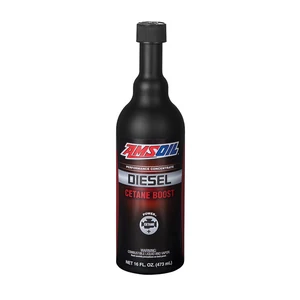
AMSOIL Diesel Cetane Boost Fuel Additive
Product Code : ACBCN-EA
SEE PRODUCT PRICE
VIEW DETAILSPossible application — verify requirements
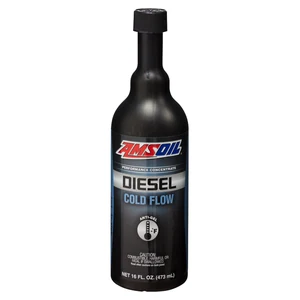
AMSOIL Diesel Cold Flow Fuel Additive
Product Code : ADDCN-EA
SEE PRODUCT PRICE
VIEW DETAILSPossible application — verify requirements
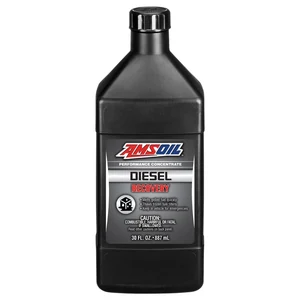
AMSOIL Diesel Recovery Fuel Treatment
Product Code : DRCQT-EA
SEE PRODUCT PRICE
VIEW DETAILSPossible application — verify requirements
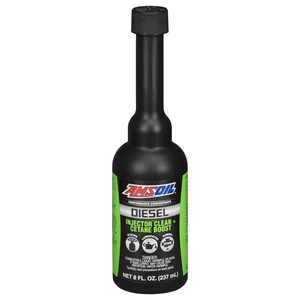
AMSOIL Diesel Injector Clean + Cetane Boost Fuel Additive
Product Code : ADSPCN-EA
SEE PRODUCT PRICE
VIEW DETAILSPrepare the complete maintenance plan
Before a trip or seasonal layup, review the engine and component manuals for the work actually due. Oil selection is one part of that plan; it does not replace cooling-system, fuel-system, battery or safety checks. Follow the manufacturer's storage instructions instead of inventing a generic start-and-idle routine.
Use the local cards to compare products, then verify the final application and package information. Our boat and marine diesel guides provide additional organization by vessel type, while the diesel engine oil collection helps compare other oil families. Contact Kyle with the installed engine and component details if you need help finding documentation. Keeping those details separate is the most useful way to turn a marine shopping list into a maintenance plan that fits your vessel.
Keep exploring diesel products
Choose products first. Then compare account options.
Explore AMSOIL Preferred Customer membership for personal purchases or the Commercial Account guide for qualifying business use. Compare all account types before deciding.
Technical sources & application information
Educational guidance prepared for Diesel Oil Works. Original source list compiled October 23, 2026; the separately labeled comparison check covers the newer product-family comparison. Product-card rating check dates appear on each card. Confirm current applications and instructions in the official sources.